Hydro Excavation
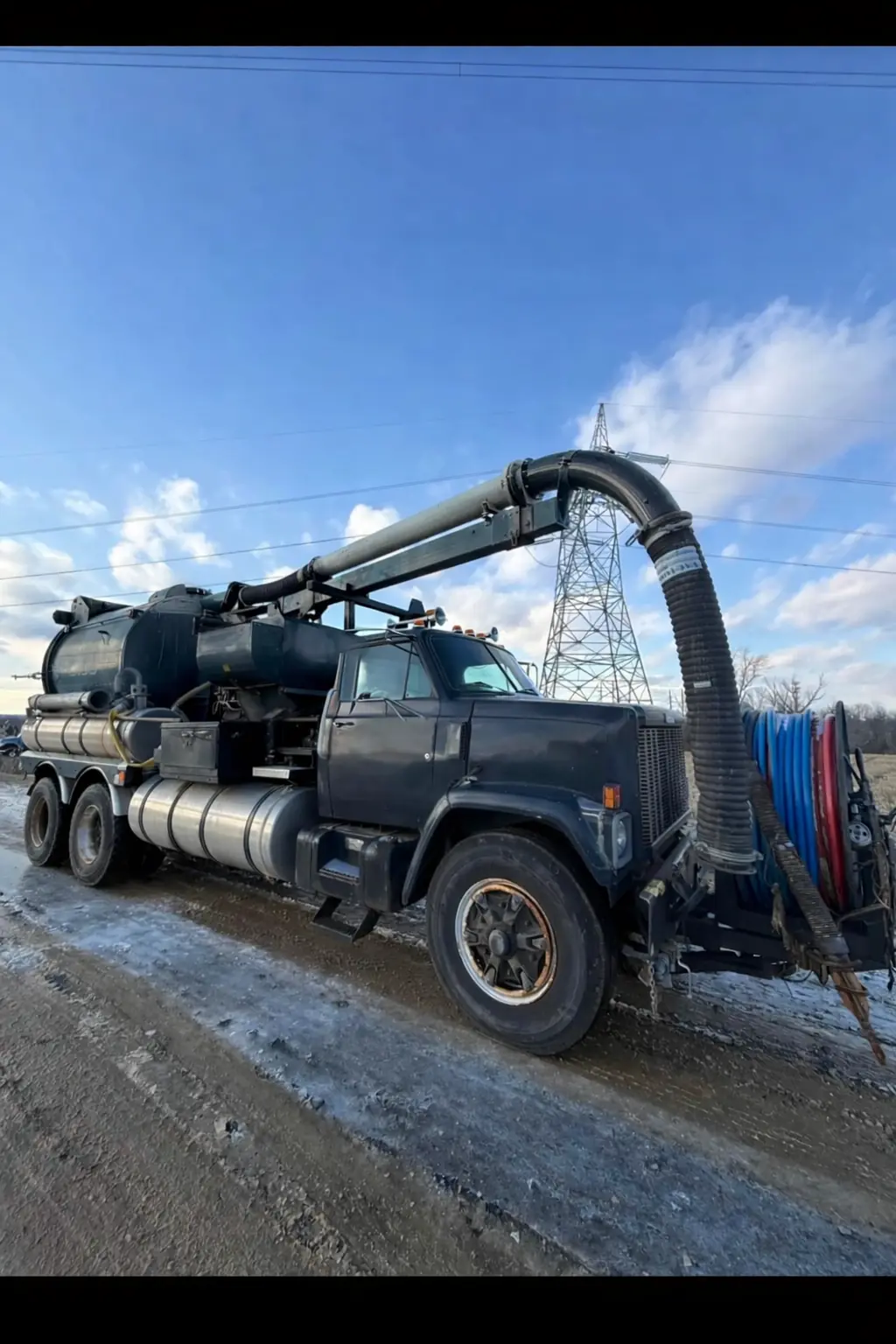
We loosen the soil with pressurized water and vacuum the slurry into the truck. The gas, electric, water, or fiber line ends up exposed and untouched, ready to work around safely.
Soft Digging Done Right
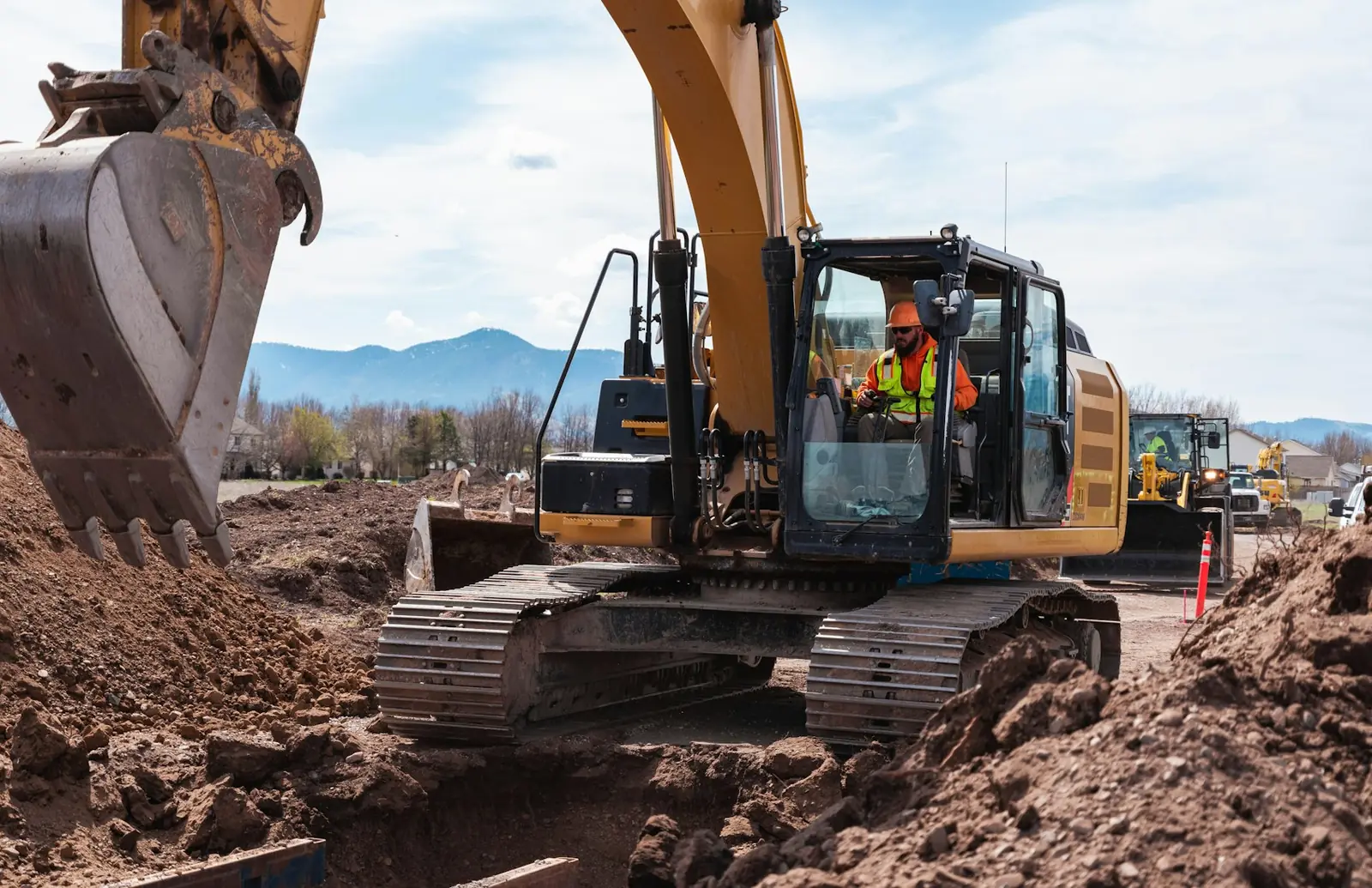
The fastest way to break a buried line is to dig blind with a shovel or a backhoe near it. Hydro excavation removes that risk by taking the metal out of the equation entirely.
Murray General Contracting runs a Vactor 2110 hydrovac combo truck across the Lehigh Valley, from Allentown and Bethlehem to Easton and out to Breinigsville. A pressurized water stream cuts and loosens the soil, and the vacuum boom lifts the wet slurry straight into the tank. The line you are digging toward stays where it is, exposed and whole, because nothing solid ever touches it.
This is the same method you see on our homepage. One local crew runs the truck from the first call to the final backfill, and you get a free estimate within 48 hours of sending us the details.
How A Soft Dig Goes
Utilities are called in and marked before we dig. The paint tells us roughly where the line runs. Water tells us exactly.
A pressurized stream loosens the soil in a controlled spot. We work down a few inches at a time instead of tearing through the ground.
The boom pulls the wet soil up into the truck's tank as we go, so the hole stays clean and the line comes into view undamaged.
Once the work around the line is done, we backfill the hole and tamp it, usually the same day, and leave the site safe to walk on.
Why Crews Call For It
Water cannot cut a gas, electric, water, or fiber line. The soil comes away and the line is left whole, which is the whole point of soft digging.
The hose runs well past the truck, so we dig along fences, between buildings, and under decks where a machine cannot fit.
The wet soil goes straight into the tank instead of piling up. The site stays tidy and the spoil leaves with the truck if it cannot be reused.
A locate gives you a stripe of paint. A soft dig gives you the real depth and position before you commit to the next move.
Hydro Excavation Work We Do
Need to expose and verify one specific line? See utility daylighting and potholing. The same Vactor 2110 truck also handles sewer jetting and drain cleaning, and when soft digging is not required we run conventional excavation and site work.
Did a fantastic job. Fast. Trustworthy. Honest. On time. Everything you want in a contractor.Jeffrey Ulle, Google review
Hydro Excavation Questions
Hydro excavation is digging with water instead of a blade. A pressurized stream cuts and loosens the soil, and a vacuum lifts the wet slurry up into the tank on our truck. Because nothing solid touches the ground, the buried line is exposed without being nicked or cut.
Yes, around buried utilities. A bucket or a hand shovel can strike a gas, electric, water, or fiber line before you ever see it. Water and vacuum remove the soil from around the line and leave the line itself untouched, which is why it is the standard method when you have to dig near marked utilities.
Yes. The hose reaches well past where the truck can park, so we dig along fences, between buildings, under decks, and in spots a machine cannot fit. That remote reach is one of the main reasons crews call us instead of bringing in heavy equipment.
Yes. We backfill and tamp the excavation the same day in most cases, so the site is left tidy and safe. If the spoil needs to be hauled off instead of reused, we take it away in the truck's tank.
Pennsylvania law requires a one-call locate before any digging, and we work from those markings. Hydro excavation is the careful next step after the locate. The paint tells us roughly where a line runs, and soft digging confirms the exact depth and position without risking the line.
Keep Exploring
Free estimates on hydro excavation and soft digging across the Lehigh Valley and Eastern Pennsylvania.