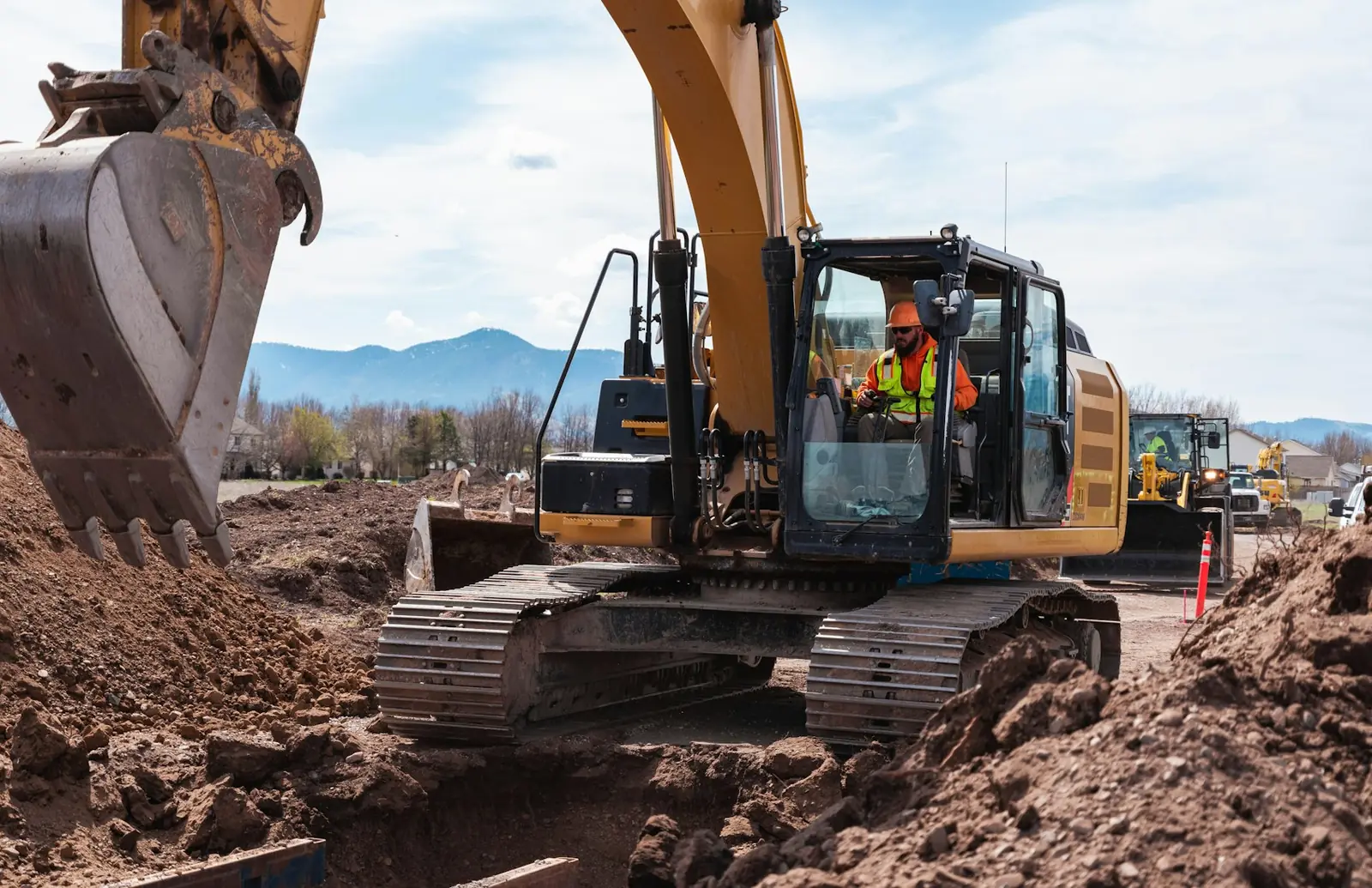
Utility Daylighting & Potholing
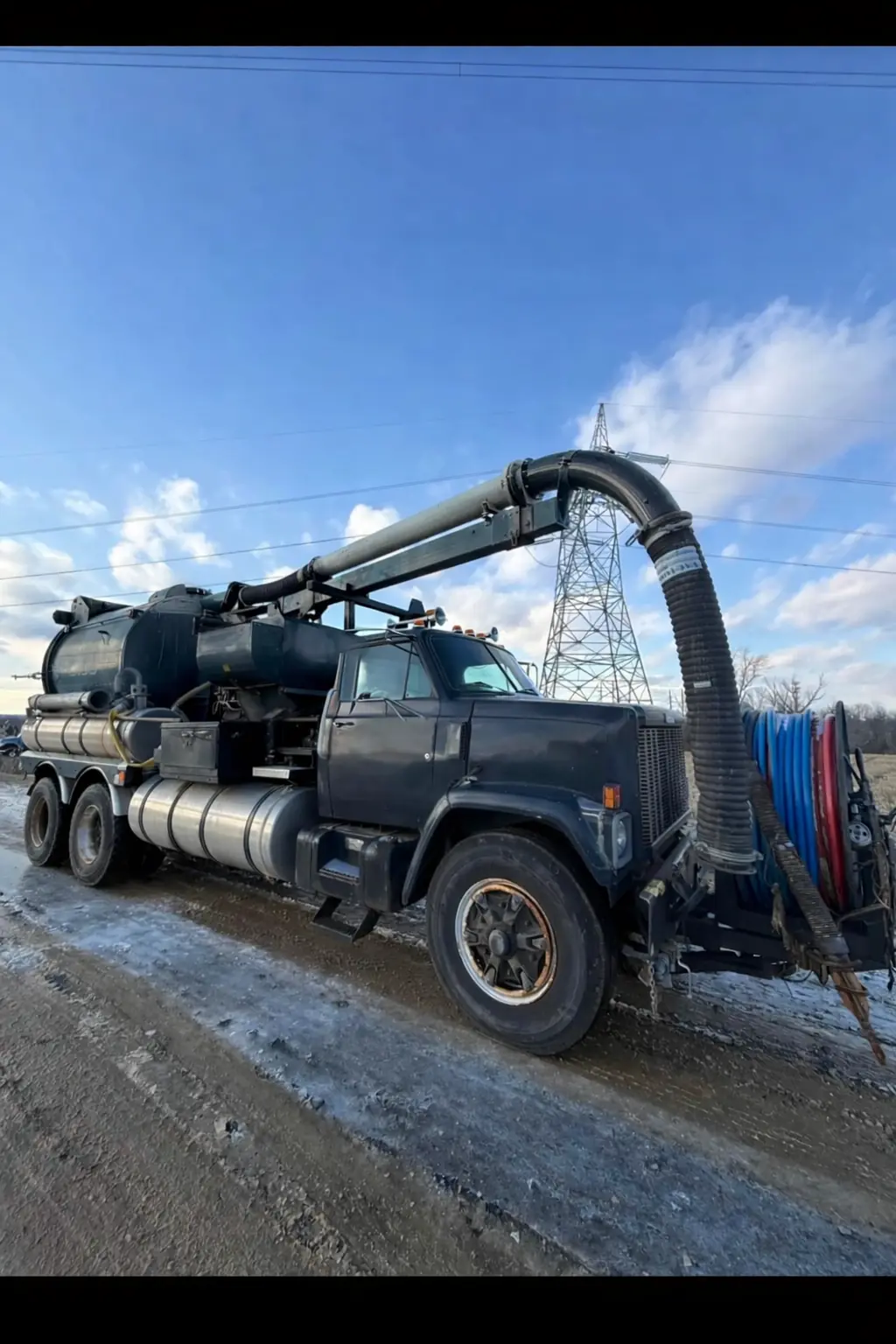
We expose buried utilities and confirm their exact depth and location with vacuum excavation, so your crew or engineer works from a fact, not a guess. Across the Lehigh Valley and Eastern Pennsylvania, done with our Vactor 2110.
Utility Exposure & Verification
A locate mark on the grass tells you a line runs somewhere along that stripe. It does not tell you how deep it sits, what is buried right beside it, or whether the depth changed when someone regraded the yard years ago.
Daylighting and potholing answer those questions for certain. Murray General Contracting uses a Vactor 2110 hydrovac to cut through the soil with pressurized water and vacuum it away, uncovering the gas, electric, water, or telecom line without a blade ever touching it. You get to see the actual pipe or conduit, measure its real depth, and read its exact position before any open excavation or design work begins.
We do this across the Lehigh Valley and Eastern Pennsylvania, for Allentown, Bethlehem, Easton, and Breinigsville job sites. One local crew, and a free estimate within 48 hours of getting your site details.
How We Expose A Line
We start from the public locate marks and your plans, then set the test points where the line matters most: crossings, bore paths, and tie-in points.
Pressurized water cuts the soil and the vacuum hauls it into the truck. Nothing rigid swings at the line, so a live gas or electric line stays untouched.
We uncover the pipe or conduit and read its true depth and position. That number goes to your crew, engineer, or drill operator as a confirmed fact.
Once the line is verified, we backfill the test hole and leave the site clean, with the surrounding ground undisturbed.
Why Daylight First
A locate stripe shows roughly where a line runs. Daylighting shows how deep it actually sits, so the next crew knows what they are digging into.
Water and vacuum do the digging. There is no excavator tooth or shovel edge that can nick a gas main, water line, or fiber bundle.
Vacuum excavation opens a tight, controlled hole instead of a wide trench, so there is less ground to disturb and less to put back.
The hose reaches places a machine cannot, so we expose lines under sidewalks, beside foundations, and between other utilities.
Daylighting Work We Do
Daylighting is one job for the same truck. See the soft-dig method behind it on our hydro excavation page, the pipe-clearing side on sewer jetting and drain cleaning, or the full dig once lines are confirmed under excavation and site work.
Did a fantastic job. Fast. Trustworthy. Honest. On time. Everything you want in a contractor.Jeffrey Ulle, Google review
Daylighting Questions
They are the same idea at different sizes. Potholing exposes one buried line at a single test point so you can read its depth and location. Daylighting opens up a longer stretch so a whole run of utilities is uncovered and visible. We do both with vacuum excavation, so the lines come out unharmed.
A locate paint mark only tells you roughly where a line runs, not the exact depth or whether it sits next to another utility. Daylighting confirms the real position so your crew or engineer is not guessing. It is far cheaper than hitting a gas main, water line, or fiber and stopping the whole job.
Yes. Vacuum excavation uses pressurized water to break up the soil and a vacuum to remove it, so nothing metal ever swings at the line. That makes it the standard method for exposing live gas, electric, water, and telecom near a planned dig. We support gas utility work and direct-burial main installations this way.
Yes. We pothole the bore path at the crossings ahead of time so the drill operator knows the exact depth of every line it will pass. Clearing those crossings first keeps the bore from cross-boring into a sewer or clipping a buried main.
Slot trenching uses the hydrovac to cut a narrow, clean trench instead of a wide open dig. We use it for pole holes, short utility runs, and tight spots where a backhoe would tear up too much ground or risk nearby lines. The walls stay straight and the surrounding soil stays put.
Yes. If a line is struck, suspected, or has to be exposed fast, the Vactor 2110 can open the ground around it without a blade touching it. We work the area carefully so the damaged or unknown line is uncovered for inspection or repair.
Keep Exploring
Free estimates on utility daylighting and potholing across the Lehigh Valley and Eastern Pennsylvania.