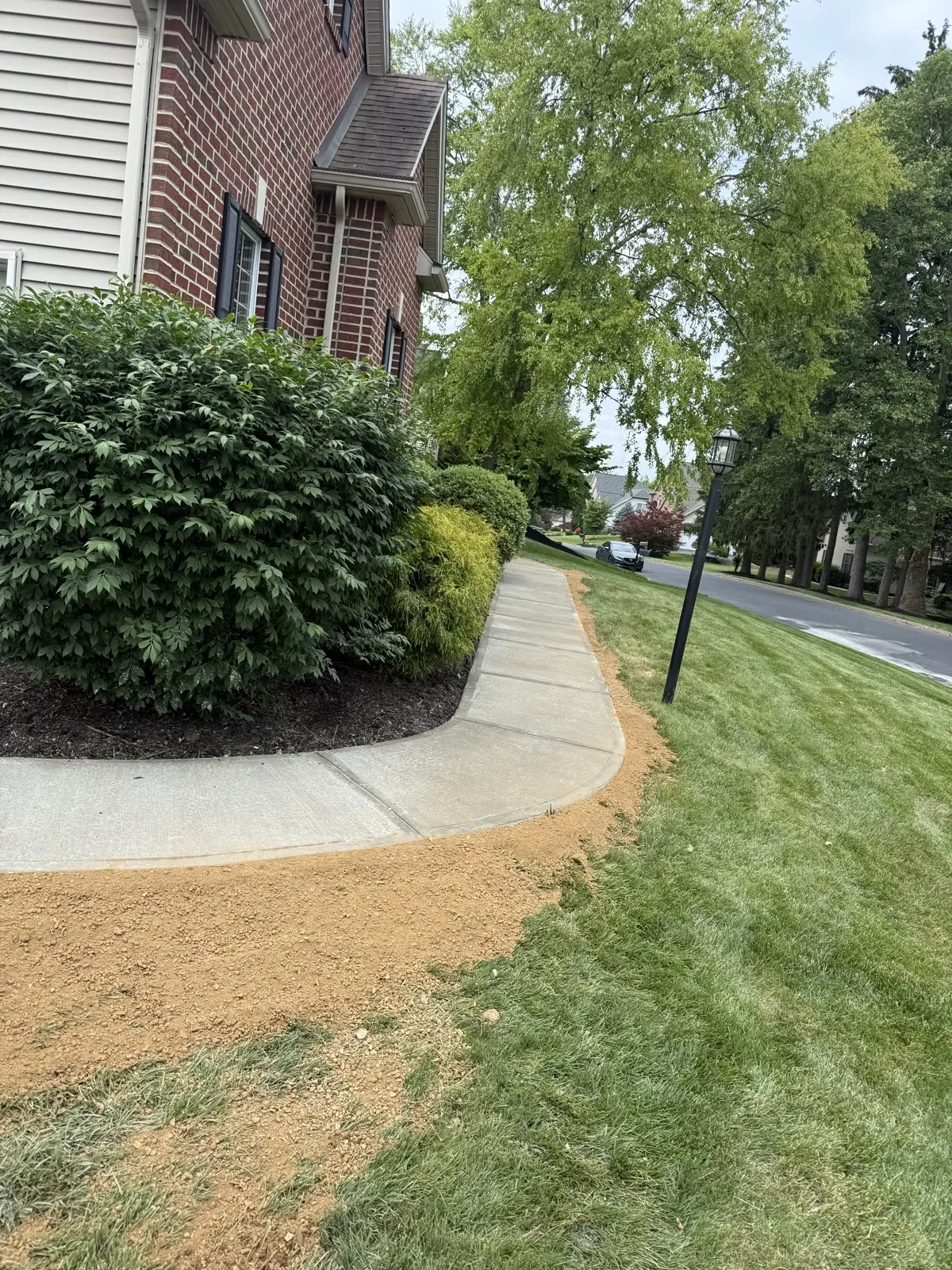
Yard Drainage & Grading
We shoot the grade, find where the water sits, and reshape the yard so runoff moves away from the house instead of into it. Swales, regrading, and clean outlets across the Lehigh Valley.
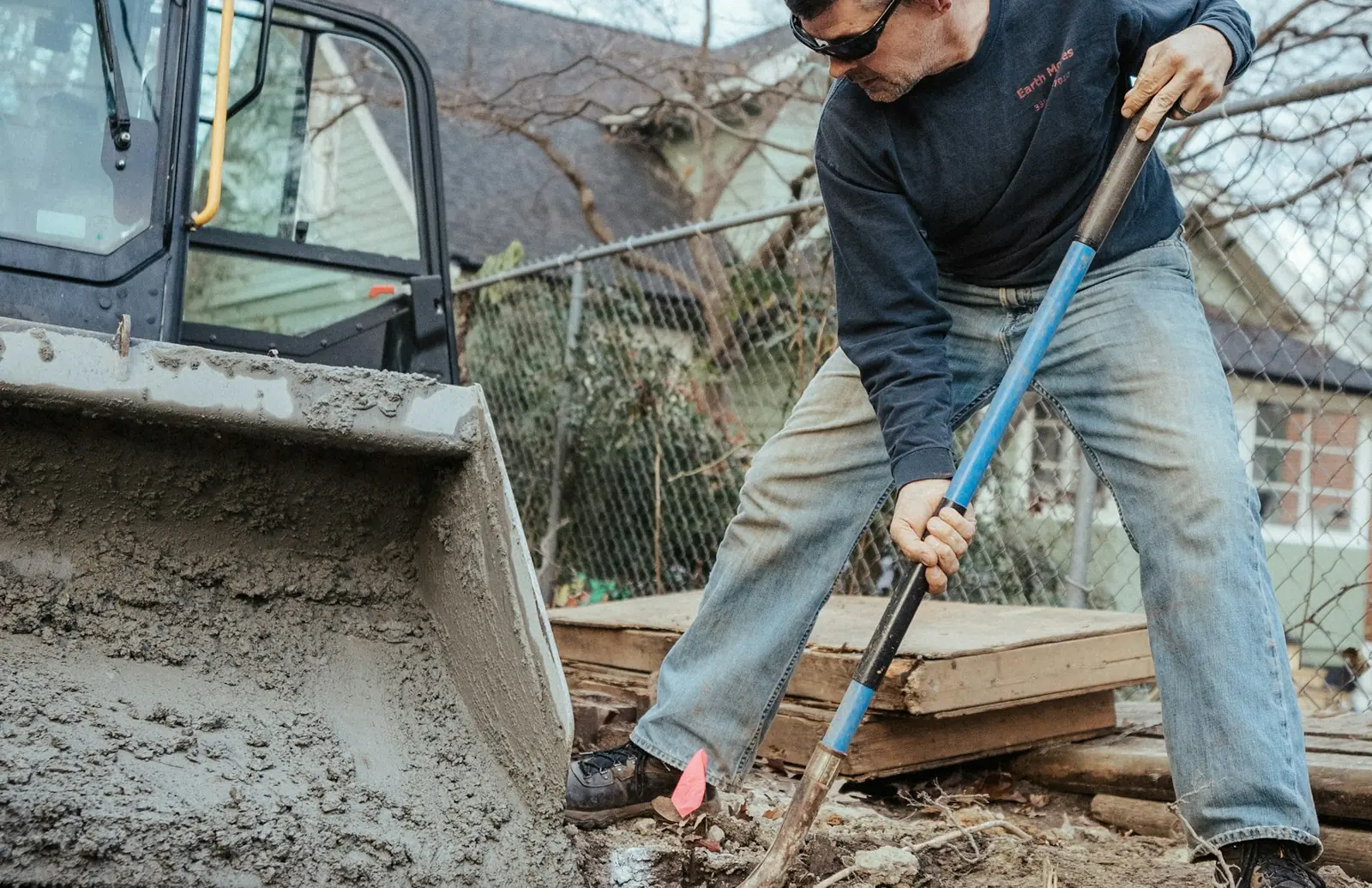
Yard Drainage & Site Grading
A soggy lawn, a swamp by the back door, water creeping toward the foundation. These are not lawn problems. They are grading problems, and you fix them by reshaping the ground so water runs where you want it.
Murray General Contracting handles yard drainage and grading across the Lehigh Valley, from Allentown and Bethlehem to Easton and out to Breinigsville. The heavy clay soil in this part of Eastern Pennsylvania drains slowly, so when the grade is flat or pitched the wrong way, every storm leaves water sitting where it does not belong. We read the slope, find the low spots, and regrade for positive drainage that carries runoff away from the house and toward a safe outlet.
One local crew handles the whole job, from the first shot of the grade to the final pass that leaves the yard ready to seed, and you get a free estimate within 48 hours of sending us the details.
How We Fix The Grade
We walk the property after a rain, shoot the grade, and map where water comes from, where it sits, and where it could safely go.
Every drop has to land somewhere legal and lower. We pick the outlet first, whether that is a swale, the street, an inlet, or daylight at the bottom of the slope.
We cut and fill to build positive slope away from the house and shape swales that carry runoff without standing water.
Downspouts, surface water, and any catch basins or culverts get tied into the plan so they all drain to the same safe outlet.
We protect the new slope against erosion, rake it smooth, and leave the yard ready for seed or sod, then walk it with you.
Why Grading Matters
Positive slope away from the house, roughly six inches of fall in the first ten feet, keeps surface water out of the basement and crawlspace.
No more swamp by the back door or ruts you cannot mow. A graded yard dries out fast so you get the lawn back after a storm.
We stabilize regraded slopes so the next downpour does not carve channels, wash out the seed, or dump soil onto the patio.
Runoff goes to a lower point that will not flood you or the neighbor. We plan the outlet before we move a shovel of dirt.
Drainage Work We Do
Surface grading fixes most wet yards, but some need help underground too. Pair regrading with French drains to pull water out of the soil, lean on our excavation and site work for the heavy cutting, or add a retaining wall to hold a regraded slope. See the full drainage and site solutions overview to plan the whole fix.
Did a fantastic job. Fast. Trustworthy. Honest. On time. Everything you want in a contractor.Jeffrey Ulle, Google review
Drainage Questions
Standing water almost always means the grade is flat or pitched the wrong way, so runoff has nowhere to go. Heavy clay soil in the Lehigh Valley makes it worse because the ground drains slowly. We shoot the grade, find the low spots, and regrade so water runs to a safe outlet instead of sitting.
Positive drainage means the ground slopes downhill away from the foundation, usually about six inches of fall over the first ten feet. That slope carries roof and surface water away before it can reach the basement or crawlspace. When the grade is flat or runs back toward the house, water collects against the foundation and finds its way in.
A swale is a shallow, gently sloped channel shaped into the yard to collect runoff and carry it to a lower outlet. It moves a lot of water without a pipe and blends into the lawn once grass fills in. You need one when water has to cross the yard from a high side to a low side, or when several downspouts and a slope all feed the same area.
It needs to reach a legal, lower outlet that will not flood you or your neighbor, such as a swale, the street, a storm inlet, or daylight at the bottom of the slope. We route downspouts and surface water away from the foundation and tie them into the grading plan. We do not dump runoff at the property line.
Often yes, because most wet basements start with bad surface grading that pushes water against the foundation. Fixing the slope and routing downspouts away is the first and cheapest thing to try. If water still gets in, the next step is a subsurface fix like a French drain, and we will tell you honestly which one your yard needs.
Spring through fall is ideal because the ground is workable and new grass or seed can take hold. We can grade in winter when the ground is not frozen, but seeding has to wait for warmer weather. If your yard floods every storm, we do not wait for the perfect season to stop the damage.
Keep Exploring
Free estimates on yard drainage and grading across the Lehigh Valley and Eastern Pennsylvania.